Industry
Healthcare
Client
Confidential - Fortune 500 Company
Designing an AI Powered Product Documentation System
The AI has excellent accuracy in procedure documentation
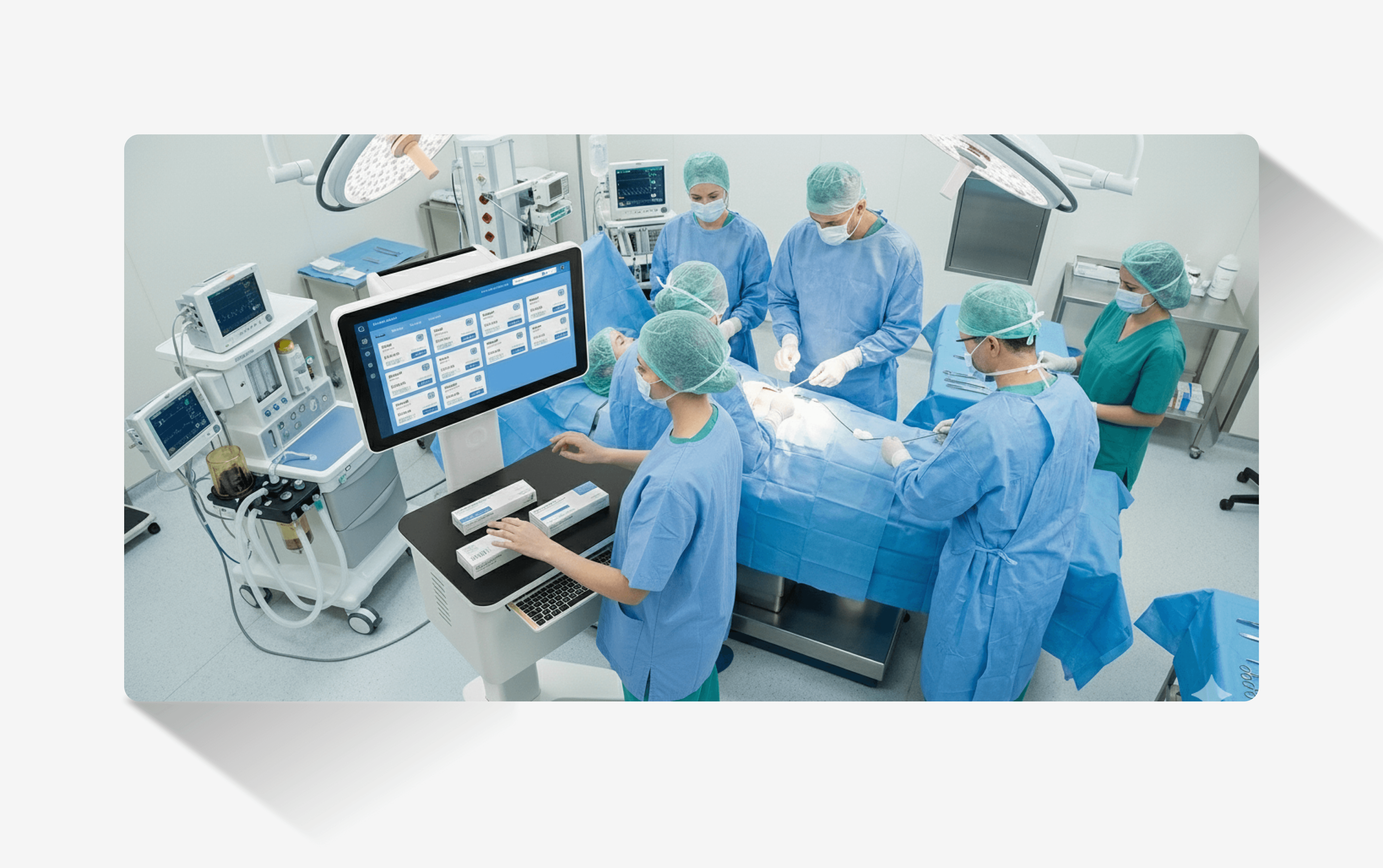
"A new standard for AI-assisted medical documentation"
Reimagining medical supply documentation with AI vision
Manual tracking of medical supplies was error-prone and time-intensive. The team designed an AI-powered system combining Vision Recognition and Automated Documentation to enable hospitals to record product usage in seconds. The result: a unified, human-AI workstation that simplified onboarding, documentation, and compliance.
Led the end-to-end UX strategy to transform complex medical inventory flows into intuitive, visual AI interactions.
As Head of UX, I architected the interaction model for a dual-device ecosystem, AI Documentation system and inventory management side of the product handling where in, harmonizing human workflows with machine intelligence. I defined documentation patterns, feedback loops, and verification systems that made automation explainable and trustworthy
Our Challenge? Intelligent automation without intimidating the user
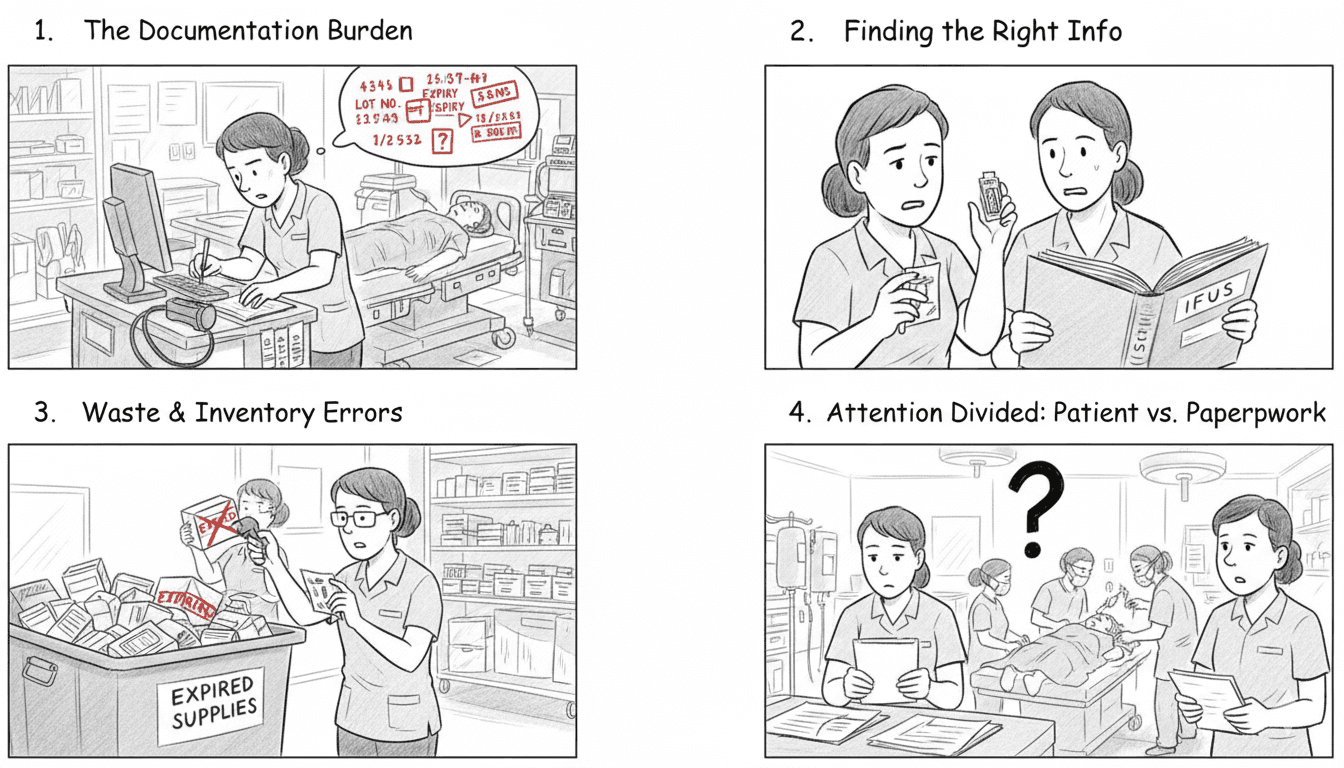
Hospitals used disconnected systems for product onboarding, documentation, and tracking the custody and ownership of critical implant objects. Each department had unique workflows, creating gaps between inventory accuracy, compliance, and real-time traceability. The UX challenge revolved around building a single workstation experience that could onboard, recognize, and document supplies in under five seconds with no cognitive overload for healthcare staff in result saving their valuable time where its actually needed in Patient care.
Research and Discovery? We Observed human behavior inside procedure rooms
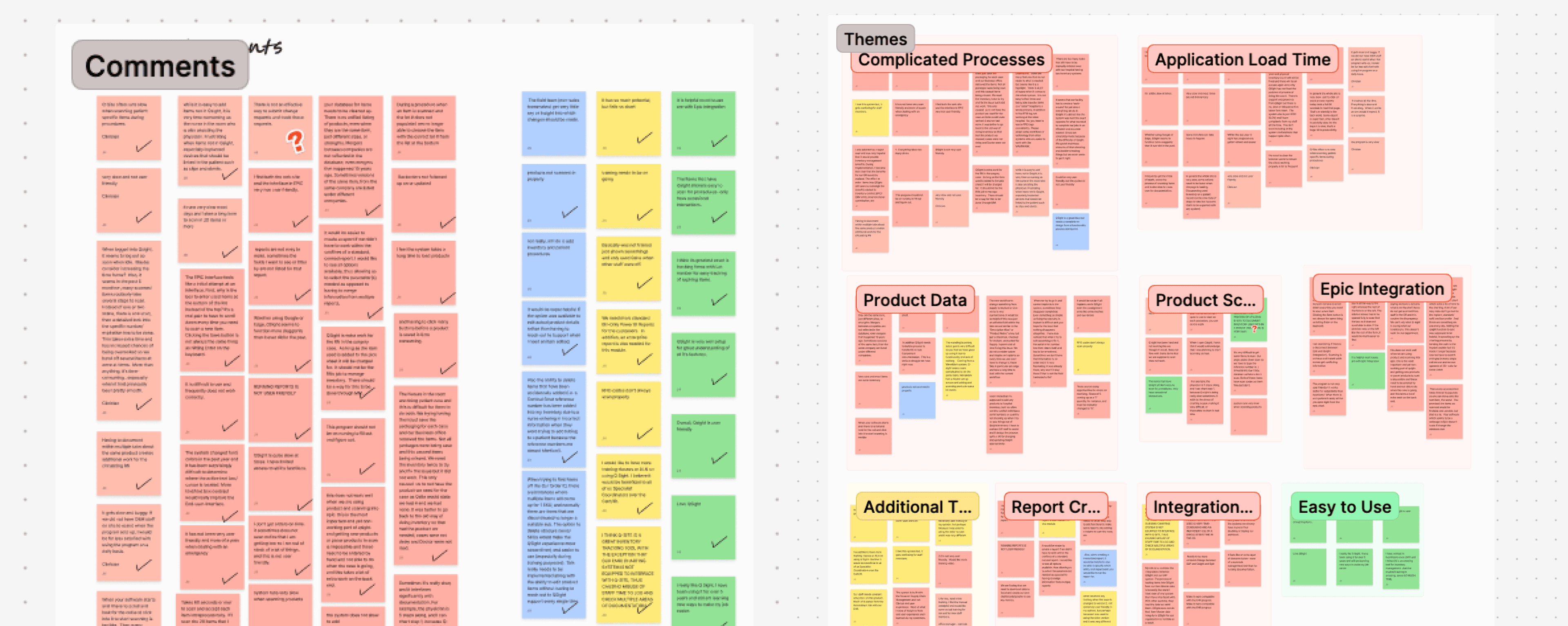
UX discovery involved: 1. Shadowing clinicians and inventory managers to map manual processes. 2. Reviewing 40+ documentation edge cases which included implants, tissues, supplies, returns. 3. Analyzing payload schemas and AI recognition patterns from existing databases The insight: users trusted the system only when they could see what the AI saw. This drove the design toward transparency-first interactions which had visible recognition states, editable fields, and live confidence feedback.
Our Vision: A dual-surface ecosystem for human-AI collaboration
UX discovery involved: 1. Shadowing clinicians and inventory managers to map manual processes. 2. Reviewing 40+ documentation edge cases which included implants, tissues, supplies, returns. 3. Analyzing payload schemas and AI recognition patterns from existing databases The insight: users trusted the system only when they could see what the AI saw. This drove the design toward transparency-first interactions which had visible recognition states, editable fields, and live confidence feedback.


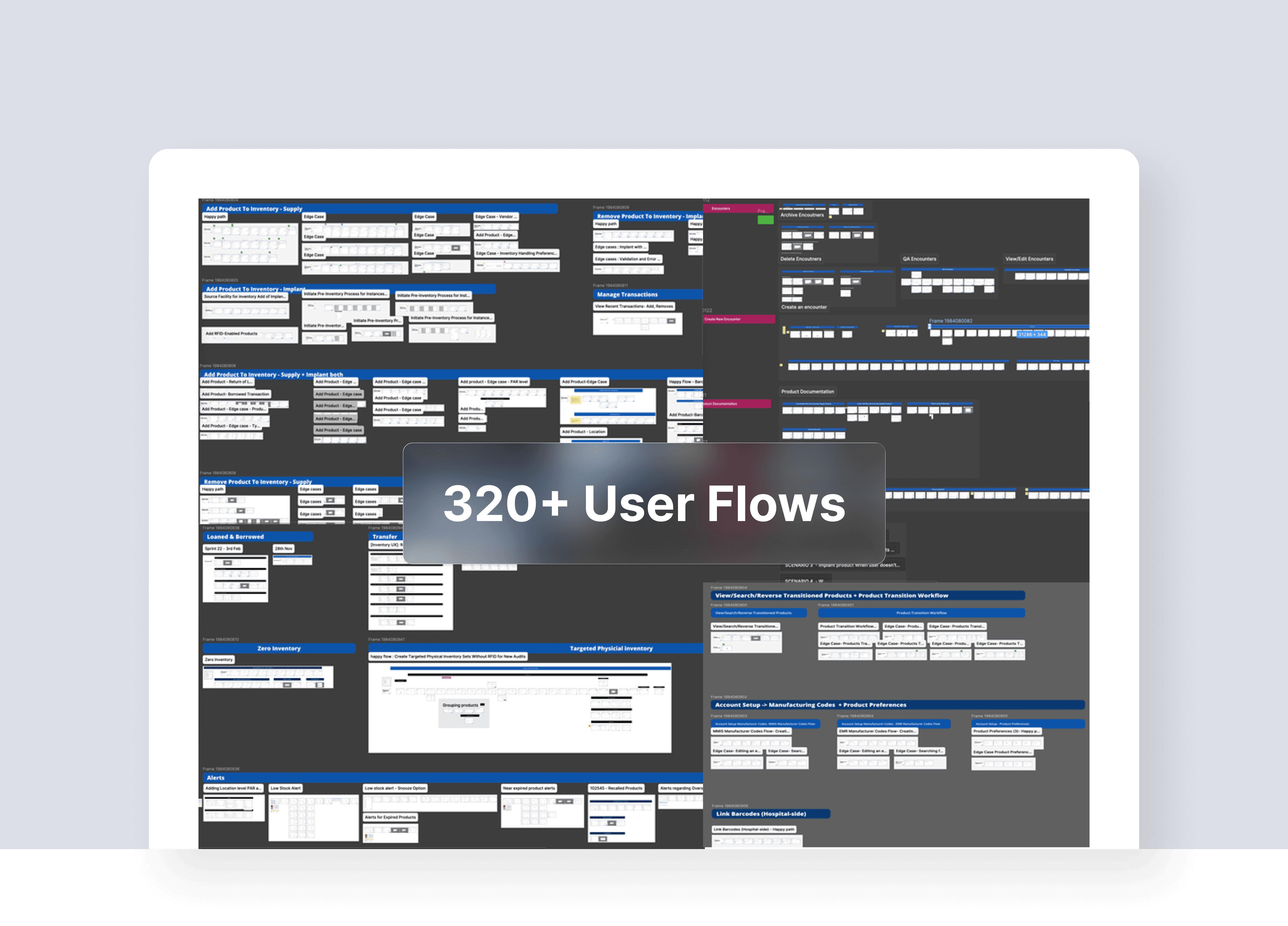
Designed fast, tested faster was our execution philosophy
The design sprint process balanced rapid iteration with stakeholder reviews: 1. 5 milestones across 11 months, from concept to production. 2. Figma component system synced with engineering through React-mapped tokens. 3. Cross-validation with Appmod AI workflows ensured seamless integration with existing modernization stacks. The result was an AI documentation station ready for real hospital deployment with production-grade reliability and UX adaptability.
Accessibility and Usability: Medical-grade design that works under pressure
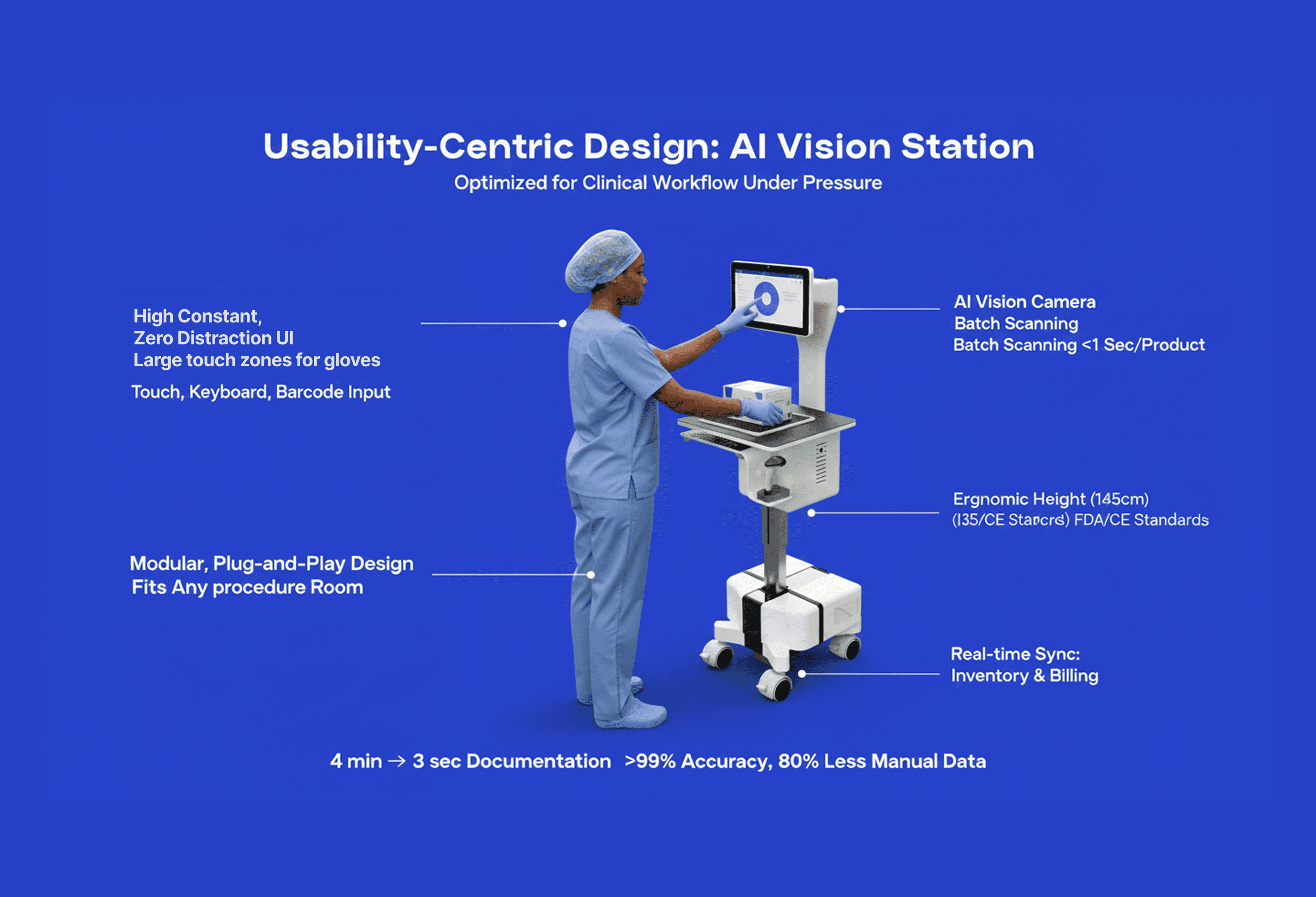
Healthcare environments demand speed, sterility, and clarity. The interface followed a strict accessibility protocol: 1. High-contrast themes optimized for surgical lighting. 2. Zero-distraction UI with clear state changes and large actionable zonesthat worked with Gloves onn. 3. Support for touch, keyboard, and barcode input redundancy. 4. Iterative usability tests under actual lighting and noise conditions. Hardware ergonomics were aligned to FDA and CE standards, ensuring comfort and reliability under extended usage
Human Impact - Turning 4-minute tasks into 3-second interactions