Industry
Health care
Client
Confidential – Legacy Application Modernization
Designing a Unified Design System for a Fortune 500 Global Healthcare Platform
post-handoff defects
"A system that scaled beyond its screens"
How a modular, accessible system that saved seconds, Human Lives and accelerated development
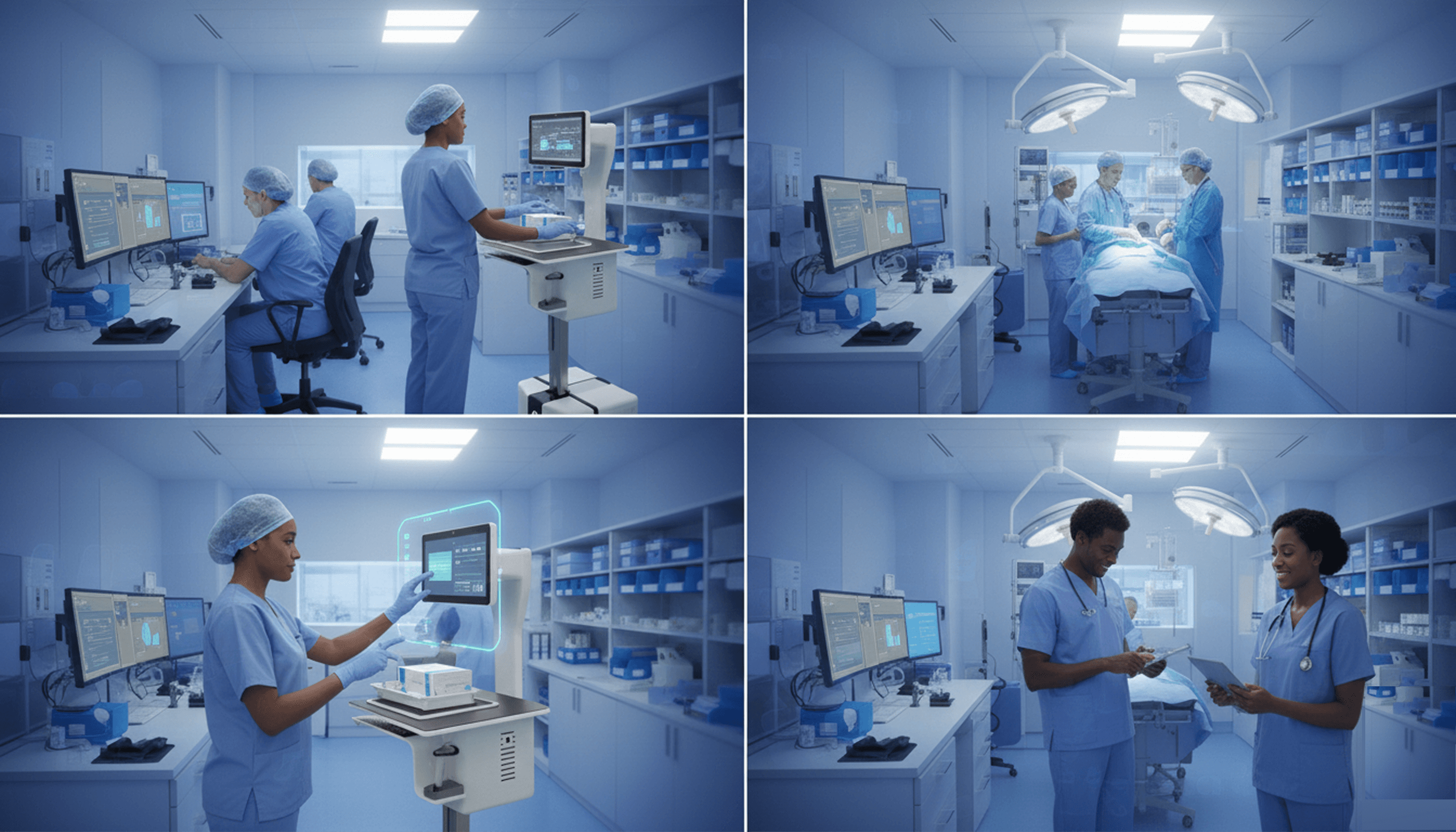
When a large healthcare technology enterprise set out to modernize its suite of digital tools used by clinicians and administrators, it faced an ecosystem of legacy UIs, inconsistent, inaccessible, and slow to evolv
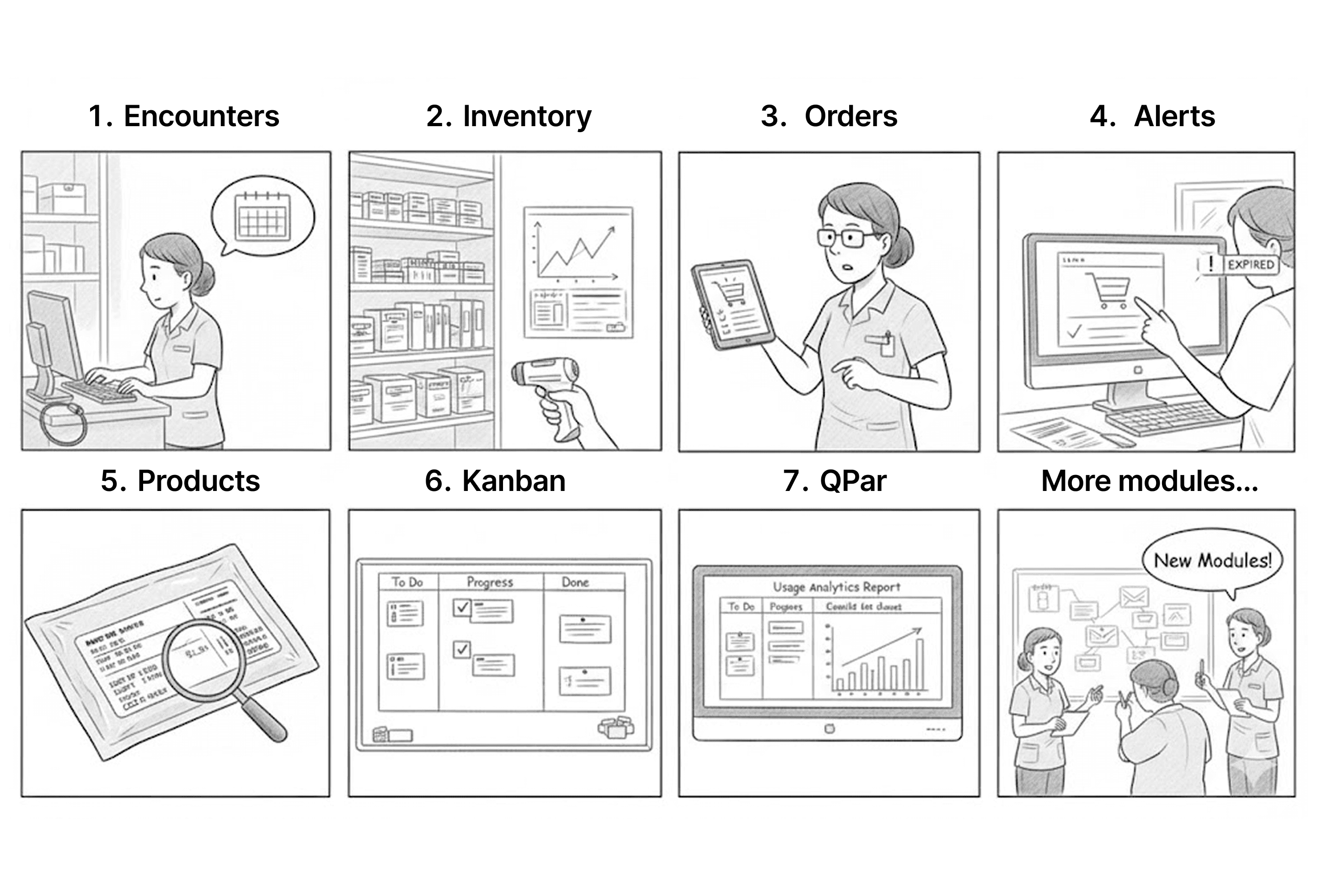
Directed a 10-member UX team to unify eight critical healthcare modules under a single scalable design language
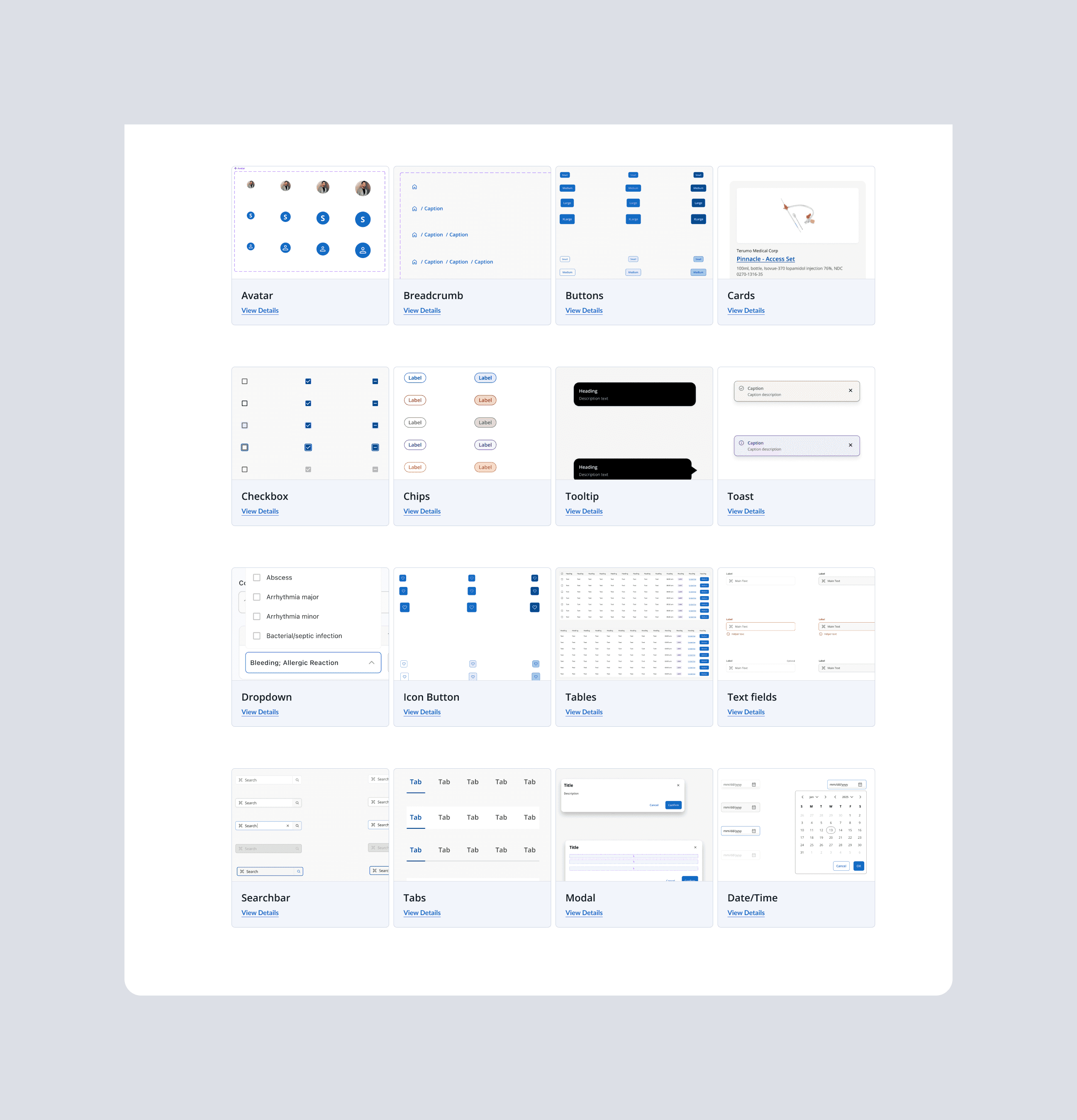
As the Head of UX / Lead Designer, I owned the strategy, architecture, and implementation of the entire design system, from tokens to templates. I created the governance model that made every design decision measurable, reusable, and developer-ready. This wasn’t about visual polis, it was about building an operational design culture that balanced speed, accuracy, and accessibility.
Seven+ Modules | One language | Zero inconsistency
The enterprise’s digital ecosystem had grown in silos. Each module had its own logic, layouts, and colors. Thus, creating cognitive chaos for clinicians who used multiple systems daily. Our mission was to bring all those disjointed tools into one unified experience which was predictable, accessible, and fast enough for real-time medical use.
Our Research, yeah! We learned more by watching hands move than by hearing words

Over 100 hours of research in hospitals and labs revealed a simple truth: clinicians didn’t want more features they wanted familiarity and focus. Every click, every hesitation, and every repeated action became a data point. We found that visual predictability directly reduced task time and decision friction. This research grounded the design system in real human behavior, not assumptions
Our Vision? Build once. Scale everywhere.
Over 100 hours of research in hospitals and labs revealed a simple truth: clinicians didn’t want more features they wanted familiarity and focus. Every click, every hesitation, and every repeated action became a data point. We found that visual predictability directly reduced task time and decision friction. This research grounded the design system in real human behavior, not assumptions
And How did we do it? Weekly demos. Zero guesswork. One design language
We embedded design deeply into the development rhythm. Weekly 3-hour design reviews aligned every stakeholder, which included product owners, dev, QA, and clinical SMEs. Dev Mode annotations replaced PDFs, turning every file into live documentation. Over 4000 screens and 300+ user flows were delivered with minimal rework. Design went from static delivery to an agile, continuous process
A system that scaled beyond its screens.
The design system became the foundation for multiple modernization programs within the organization. It reduced future design time by 50%, improved team onboarding speed, and set a new benchmark for how enterprise UX is measured in healthcare. It’s now a living product evolving, expanding, and saving time where it matters most.
Human Impact? A system that scaled beyond its screens saving human lifes